Septic inspections
An inspection tells you the condition of every part of your system before it becomes an emergency. We inspect aerobic and conventional systems and give you a report you can actually read.
Serving homes around San Marcos from our base in Fentress.
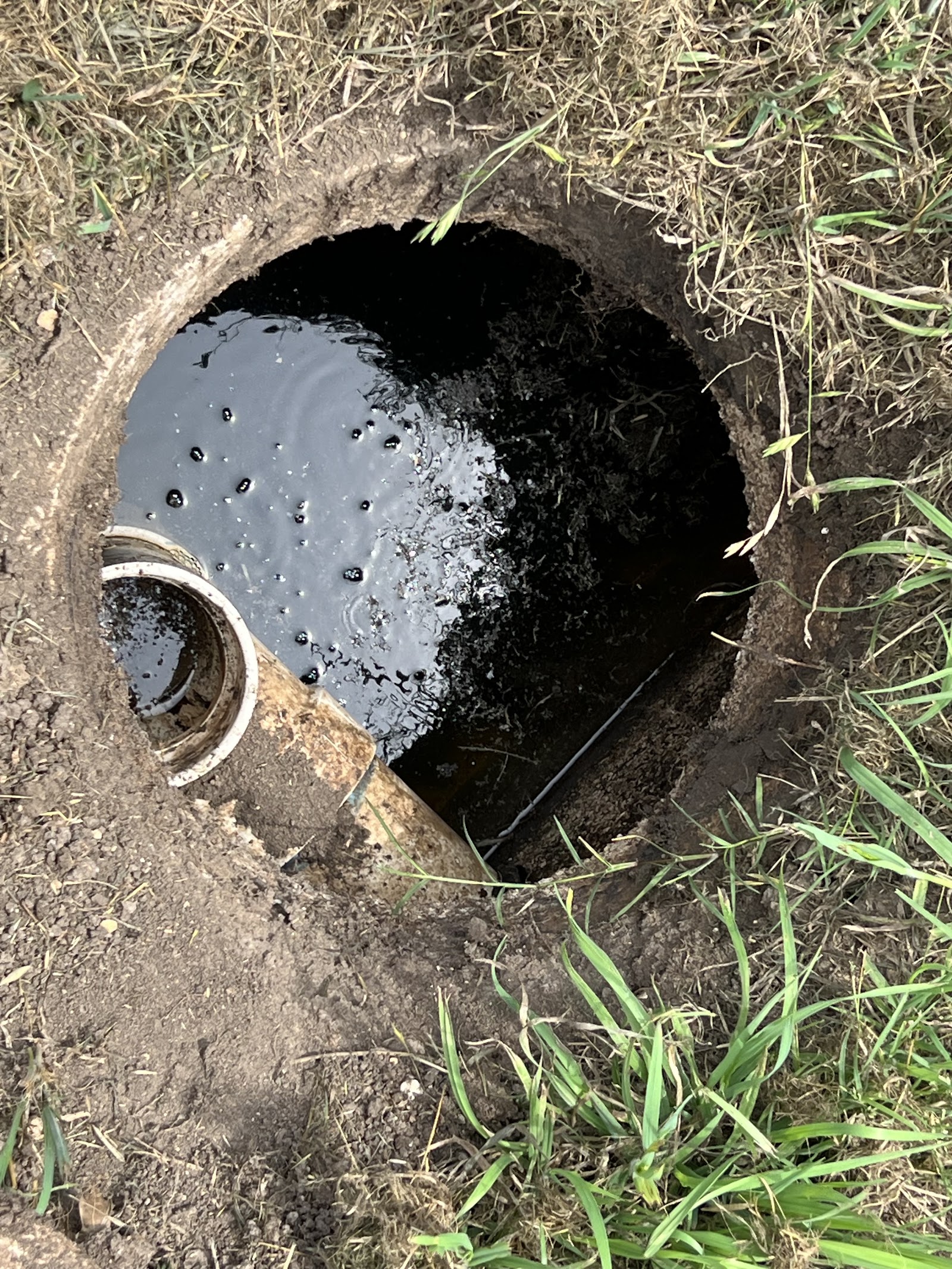
When to get an inspection
Not sure whether you need one? Call and describe the situation. We'll tell you straight whether an inspection is worth it for you right now.
- Buying a homeIdeally during the option period.
- Selling a homeBefore listing, so surprises don't surface mid-transaction.
- Routine checkupsOr when an aerobic maintenance contract is being transferred or renewed.
- After problemsStanding water near the drainfield after a wet season, or a system acting differently.
- An inherited systemWhen you've taken over a system with no service history.
What gets checked
We go component by component. Depending on the system, an inspection generally covers:
- Tank condition and levels
- Baffles
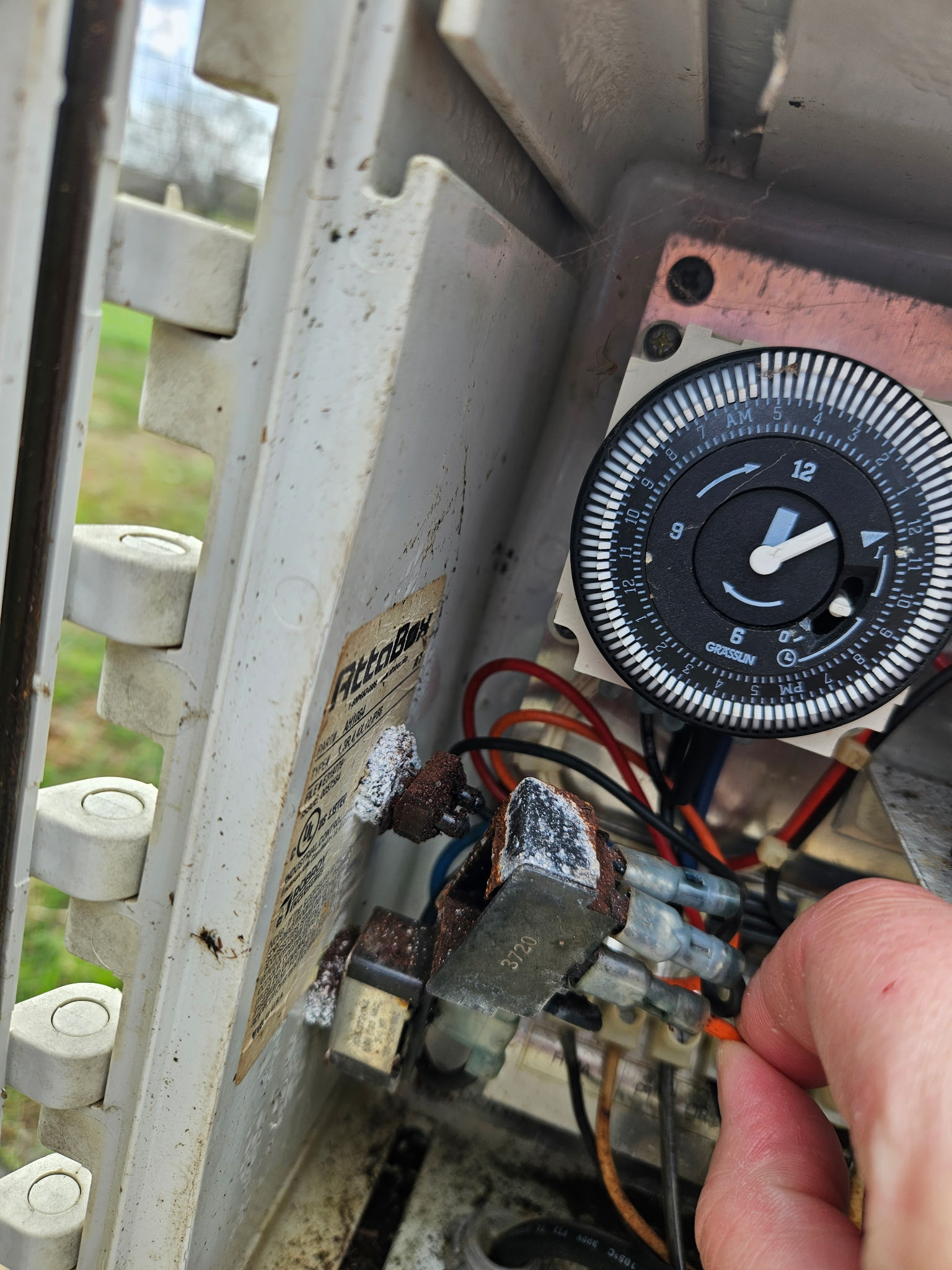
- Pumps, floats and alarms
- Aerator and control panel (aerobic)
- Chlorinator (aerobic)
- Drainfield, spray or drip area
What you get afterward
No vague verdicts, and no pressure to buy a repair you don't need.
- A written health report
- What we checked and what we found, with maintenance recommendations.
- Photos
- Pictures of the condition, so you can see it for yourself.
- Honest recommendations
- If something needs attention, what it is and what it takes to fix.
What to expect
It helps if you or your agent can tell us where the tank lids are and anything you know about the system's history. If the lids are buried, they'll need to be uncovered so the tank can be opened and checked.
When we're done, we'll walk you through what we found in plain words before the report reaches you.
Common questions
More answers about septic care, permits and emergencies are on our FAQ page.
Read the septic FAQDo I need an inspection to sell my house?
TCEQ doesn't require one; the permit transfers to the buyer automatically. Some counties have their own transfer steps, and many buyers ask for an inspection anyway.
How often should a septic system be inspected?
The EPA says the average household system should be inspected at least every 3 years by a septic professional. Systems with "electrical float switches, pumps, or mechanical components should be inspected more often, generally once a year."
Can I park or build over my septic system?
No. Keep vehicles and structures off every part of it.
Book a septic inspection
Buying, selling or just want to know where your system stands? Call and we'll get you on the schedule.