Septic tank installation
We install aerobic and conventional systems, and we walk you through which one your property actually supports before anything gets dug.
Serving homes around San Marcos from our base in Fentress.
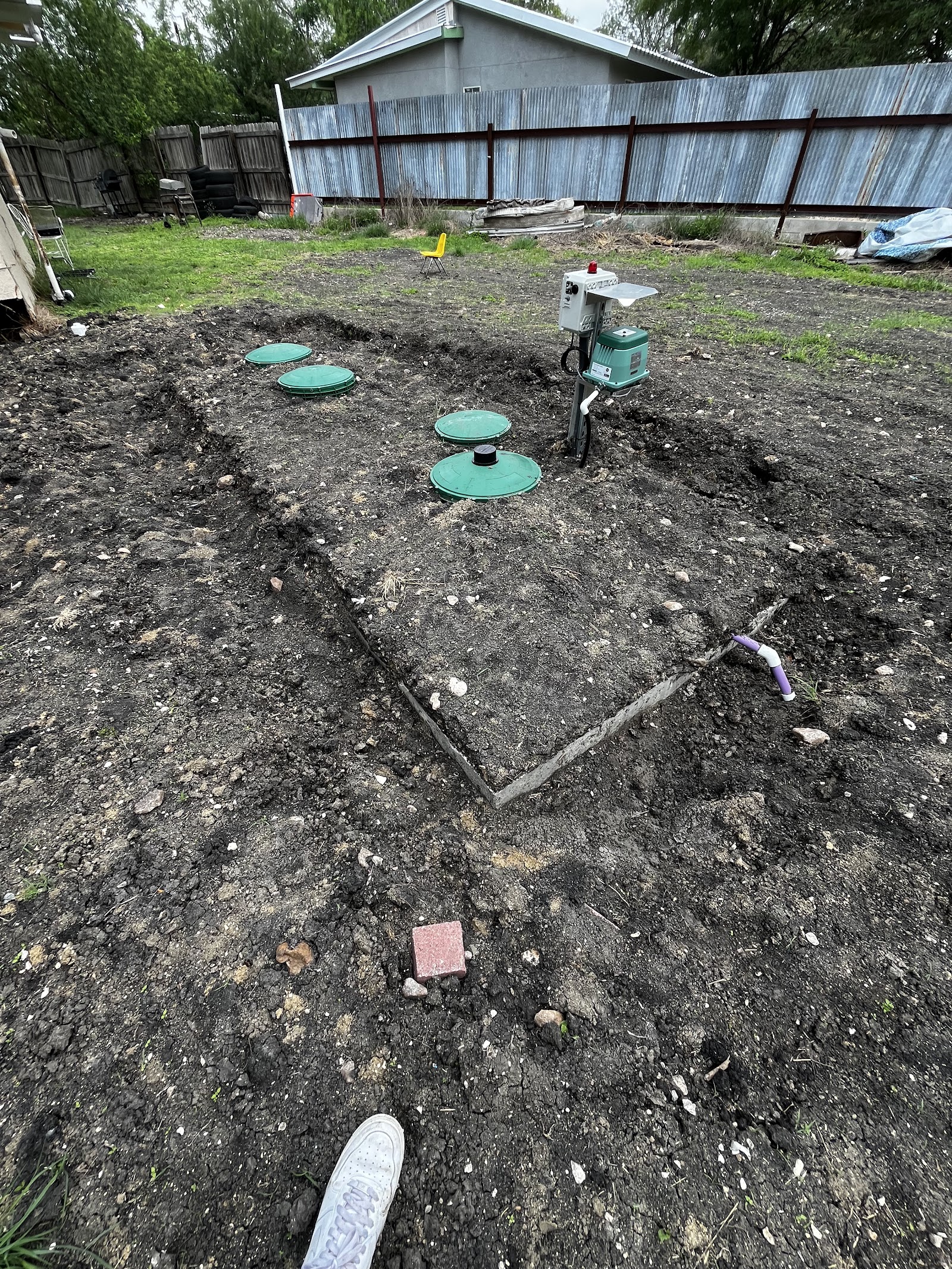
What installation involves
A septic system is one of the larger investments you'll make in a property, and the decisions made at installation shape what it costs you for years. Tank sizing, system type, drainfield placement and soil conditions all have to line up, and in Central Texas, soil is often what makes the decision for you.
Aerobic systems
A treatment unit with spray or drip dispersal, for properties where soil or lot size won't support a conventional drainfield.
- Treats wastewater more thoroughly and works on tighter or less permeable lots
- Ongoing costs: electricity, chlorine and a maintenance contract
Conventional systems
A septic tank and drainfield, where site conditions allow the simpler, lower-maintenance option.
- Simpler and cheaper to maintain, with no mechanical parts to fail
- Needs enough suitable soil to absorb effluent through a drainfield
The honest answer is that the site usually decides. Call and describe the property (acreage, soil, whether there's an existing system) and we can tell you what's realistic before you spend anything.
Stages of an install
- 1
Site evaluation
We look at the property, the soil and any existing system to see what the site supports.
- 2
System design
A system sized for the household and the property, not a default that under-serves the home.
- 3
Excavation and setup
Digging, setting the tank or treatment unit, and laying the drainfield or dispersal lines.
- 4
Startup
The system is started up and checked, and we explain what it will need from you.
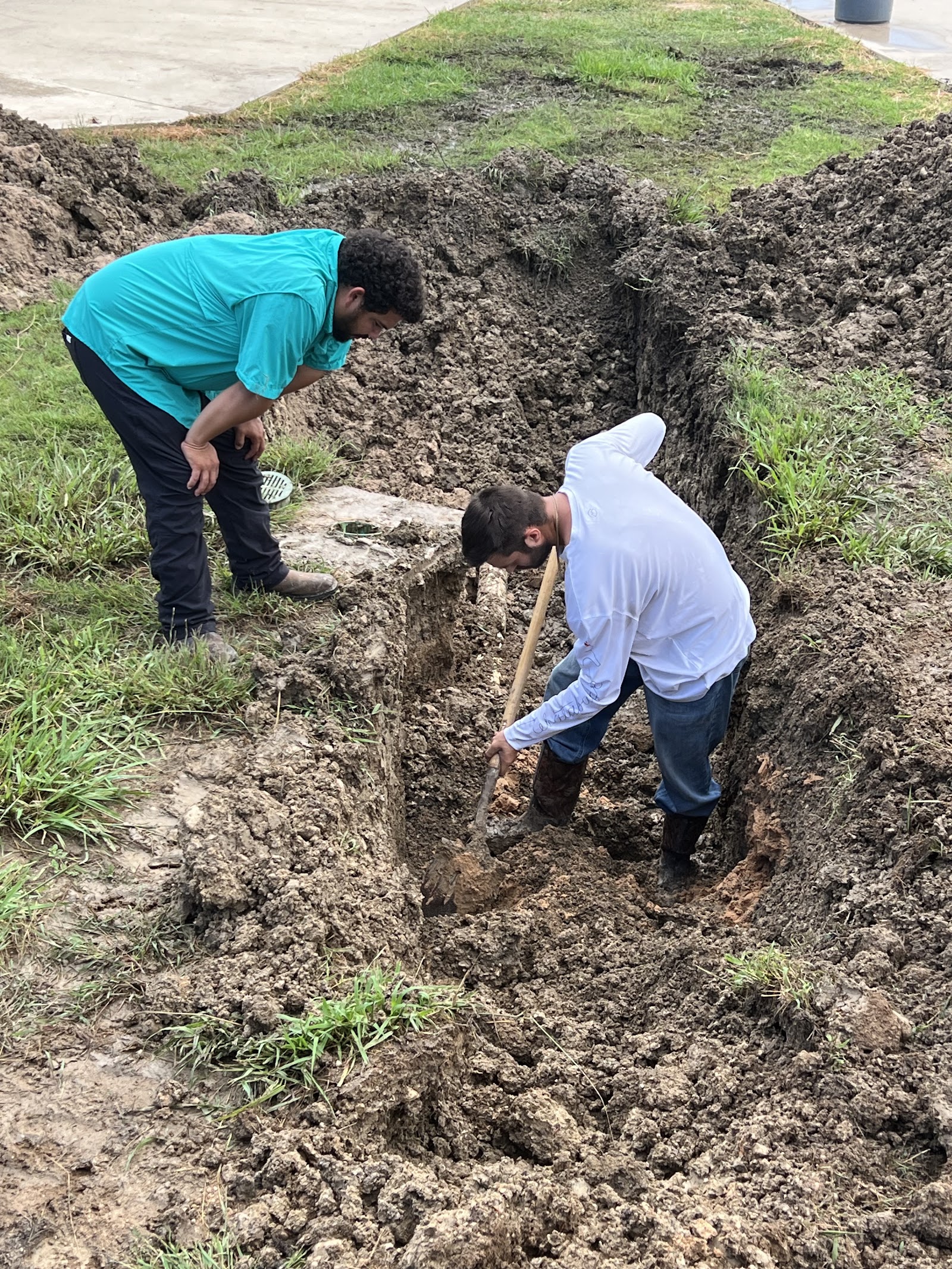
What to expect during the job
An install means heavy digging, so expect open ground and equipment on the property while we work. We'll go over the plan with you before anything gets dug, including where the tank and the drainfield or spray area will go.
We work within county requirements so the system is permitted and documented correctly, and you get a straight explanation of the tradeoffs and the long-term maintenance each option carries.
When it's in, we can put an aerobic system straight onto a maintenance contract so it starts its life on schedule.
Common questions
More answers about septic care, permits and emergencies are on our FAQ page.
Read the septic FAQHow long does an installation take?
It depends on the site, the type of system and the permit. Once we've seen the property, we'll give you a realistic schedule and get the work on the calendar in days, not weeks.
My aerobic system is new. Is maintenance included?
New aerobic systems in Texas come with an initial two-year service policy, starting when the system is first used (for a new home, the builder's sale date). After that, a maintenance contract keeps the inspections on schedule.
Do I need a permit to replace my drainfield?
Yes. In Texas, replacing a drainfield is a repair that needs a permit for the whole system, from your local permitting authority.
What shouldn't I flush or put down my drains?
Avoid flushing anything non-biodegradable like wipes (even those labeled “flushable”), feminine hygiene products, diapers, paper towels, medications, and excessive toilet paper. For drains, avoid grease, oils, coffee grounds, paint, and harsh chemicals like bleach, which can kill the beneficial bacteria in your system.
Planning a new septic system?
Describe the property and we'll tell you what's realistic, then send a written quote.